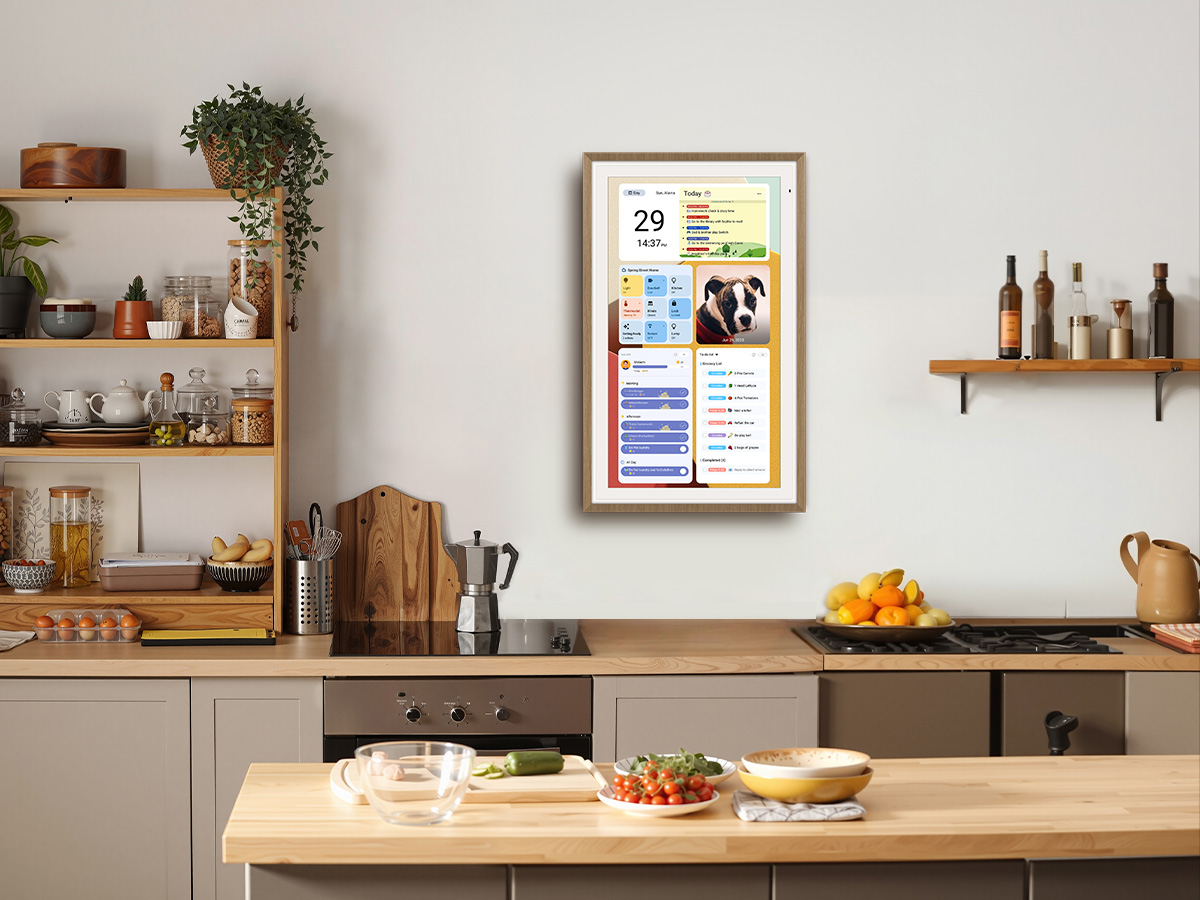
Los Angeles, California Jan 15, 2026 (Issuewire.com) - For many families, managing daily schedules has become a quiet but persistent challenge. School drop-offs, work meetings, extracurricular activities, household responsibilities, and social commitments often collide without warning. Despite the abundance of productivity apps and digital tools, missed appointments and last-minute confusion remain common in modern households.
The issue is not a lack of technologyit is how family schedules are organized, accessed, and shared. As households become more complex, a new category of smart calendars is emergingone that prioritizes shared visibility, ease of use, and integration into everyday home life. Rather than focusing solely on individual productivity, these solutions aim to support family coordination, reducing friction and improving communication across all ages.
From Personal Apps to Shared Family Systems
For years, calendar apps were designed primarily as personal tools. They live on smartphones, are controlled by individual users, and are often customized in ways that make them difficult for others to interpret. While effective for personal scheduling, these apps fall short when applied to family life, where plans are inherently collective.
A parent may carefully add school events, sports practices, and medical appointments to a phone calendar, only to realize later that other family members never saw the updates. Children and older relatives may not check calendar apps regularly, if they use them at all. The result is a familiar cycle of reminders, follow-up messages, and repeated confirmations.
This disconnect has led to a broader shift in how families think about scheduling. Instead of asking how to optimize personal productivity, more households are asking a different question: how can everyone stay aligned without constant coordination?
Industry trends suggest the answer lies in shared displays placed in common areas of the home. Much like the kitchen whiteboard or wall calendar of the past, these digital solutions bring schedules back into the physical space of family lifewhile retaining the flexibility and connectivity of modern technology.
Why Shared Visibility Matters More Than Features
More On Intelliupdate ::
- GSFEN Business School Announces a Landmark Year of Global Growth, Innovation, and Institutional Impact End‑of‑Year 2025
- China Best Spectacle Case Manufacturer: A Deep Dive into Universe Optical’s Sustainable Production with GRS Certified
- China Laser Machine Manufacturer Presents Dye Sublimation Fabric Cutting Solutions at PRINTING United Expo 2025
- Charl Ceronio, MD: A Champion for Rural Healthcare in Louisiana
- Christopher Crocker, Recognized by BestAgents.us as a 2026 Top Agent
In family environments, visibility often matters more than advanced functionality. A schedule that everyone can see at a glance reduces the need for reminders and explanations. It creates a shared understanding of the day ahead and helps prevent conflicts before they occur.
This is why large-format digital calendars designed for communal spaces are gaining traction. Positioned in kitchens, hallways, or living rooms, these displays transform schedules from private data into shared context. Unlike mobile apps that demand active checking, shared calendars work passively. Family members absorb information as they pass by, without needing to unlock a phone or navigate menus.
Over time, this simple shift can significantly reduce the mental load placed on parents, who often act as the default coordinators of household logistics.
Real-Life Mornings Reveal the Limits of App-Based Scheduling
The shortcomings of personal calendar apps are most evident during busy moments, especially mornings. Between preparing breakfast, packing lunches, and getting out the door, few people have time to open multiple apps or search through notifications.
In these moments, families do not need more alertsthey need clarity. A shared calendar display offers a quick snapshot of the day: who needs to be where, and when. Children can see their own activities alongside their parents commitments. Everyone starts the day with the same information, reducing misunderstandings and last-minute changes.
This approach aligns with a broader trend in smart home design, which emphasizes ambient informationdata that is available when needed, without demanding constant interaction.
How Smart Calendars Are Evolving to Fit Family Life
As shared digital calendars gain popularity, their functionality is evolving in subtle but meaningful ways. Rather than adding complexity, successful designs focus on making everyday interactions simpler and more natural.
Voice Interaction as a Natural Extension
In many household situations, touchscreens and mobile apps are not practical. Cooking, cleaning, or helping children with homework often leaves hands occupied. In these contexts, voice interaction has become a natural extension of how families engage with technology.
Digital calendars that support voice assistants allow users to check schedules, add reminders, or confirm plans using simple spoken commands. This lowers the barrier to participation, making the system accessible to children and older family members who may be less comfortable with apps.
Bringing Smart Home Information Into One View
As households adopt more connected devices, keeping information organized across multiple apps can become challenging. Centralized displays where schedules and smart home devices are visible at a glance provide a practical solution.
Through compatibility with the Google Home ecosystem, Apolosign Digital Calendar allows families to connect supported devices such as doorbells and cameras. Family members can check schedules while staying aware of what is happening at homeall from a single shared screen.
Why Apolosign Digital Calendar Stands Out
Unlike traditional calendar apps or paper planners, Apolosign Digital Calendar is designed specifically for families. Its large touchscreen displays provide a unified view of multiple calendars, while features like voice control, DIY dashboards, and parental task management ensure that every family memberfrom kids to grandparentscan participate.
With support for Google Home devices, real-time synchronization across platforms, and multiple screen sizes (15.6, 21.5, and 27), Apolosign combines clarity, convenience, and collaboration. Updates happen automatically, eliminating the need for multiple apps or paper lists. Importantly, it requires no subscription, offering a long-term, family-friendly solution.
Families dont struggle with technologythey struggle with coordination, said Fyhack, Product Lead at Apolosign. Our focus is on making schedules visible, shared, and easy to manage in everyday life, without adding complexity.
A More Sustainable and Unified Approach
Shared digital calendars also help reduce paper waste. Many households still rely on printed calendars, notes, and lists that require frequent updating. Digital wall calendars offer a reusable alternative, keeping information current automatically, without constant reprinting or rewriting.
By integrating family scheduling, task management, and smart home visibility into a single screen, reduces fragmentation and centralizes household information. Its not about advanced automationits about making family life simpler, smoother, and more organized.
Looking Ahead: The Future of Family Scheduling
As family dynamics continue to evolve, the demand for shared, intuitive scheduling tools is likely to grow. The future of smart calendars will not be defined by more lerts or deeper customization, but by how well they support collaboration and understanding.
By placing schedules back into shared spaces and integrating them with familiar ecosystems, digital calendars are returning to their original purposehelping people stay connected and organizedwhile adapting to modern life. For families seeking clarity rather than complexity, this next stage of smart calendars represents a meaningful step forward.
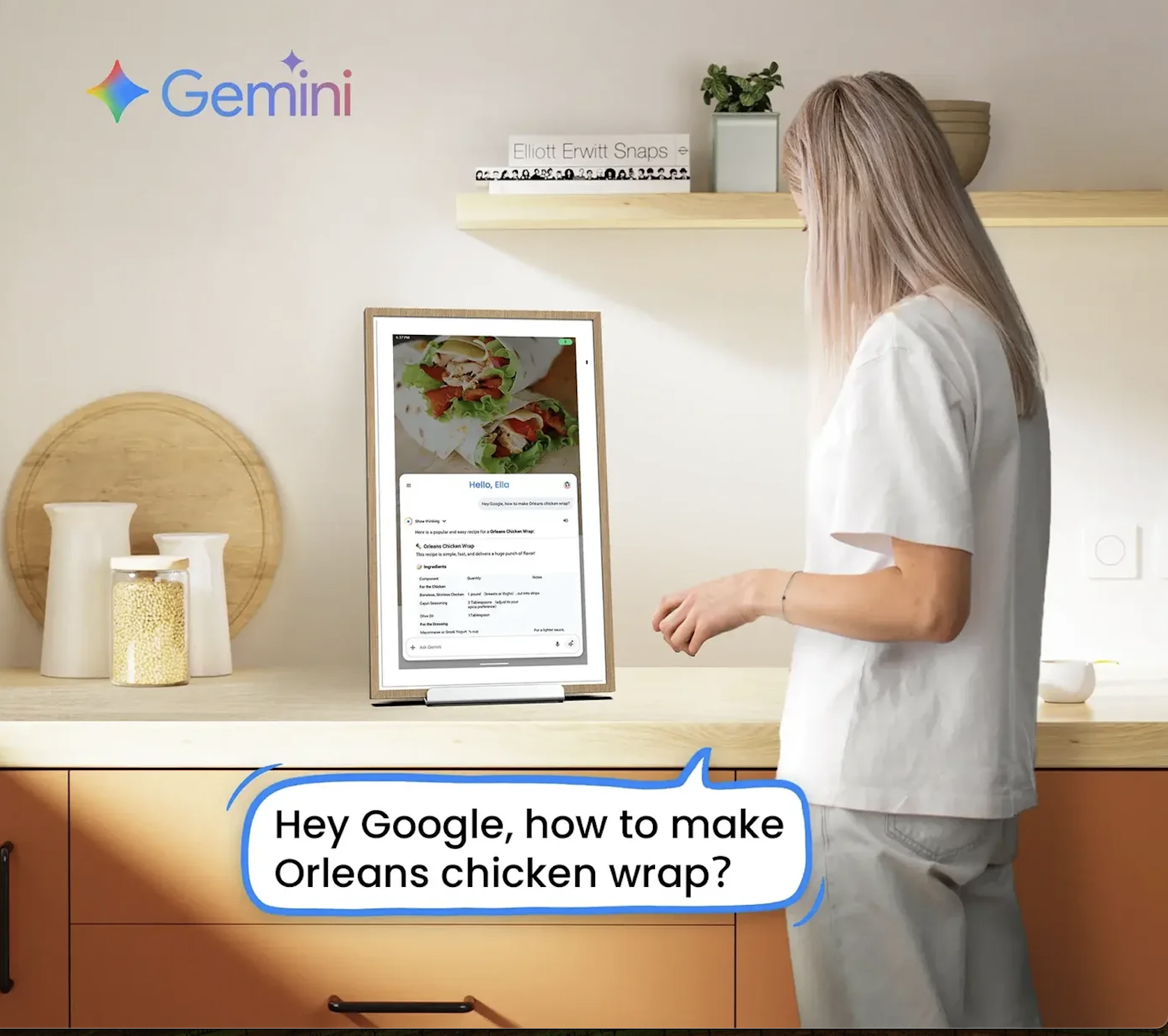
Source :Apolosign INC
This article was originally published by IssueWire. Read the original article here.